
RTK and LiDAR solve different positioning problems. The better choice depends on your property, not on which acronym sounds newer.
RTK: strong global positioning with correction data
RTK-based mowers use satellite positioning plus correction data. Current systems may use a local reference station or network-delivered corrections. Evaluate sky visibility, network requirements and the mower’s fallback sensing rather than treating every RTK implementation as identical.
LiDAR: map the local environment
LiDAR measures surrounding geometry with laser sensing. Current robot mowers increasingly combine LiDAR with cameras or RTK rather than relying on one sensor alone. This can be relevant where trees or structures complicate satellite reception.
Current examples
- Navimow X4: Network RTK plus panoramic vision.
- Mammotion LUBA 3 AWD: LiDAR + NetRTK + Vision.
- Mammotion LUBA mini 2 AWD: 360° LiDAR plus dual-camera vision.
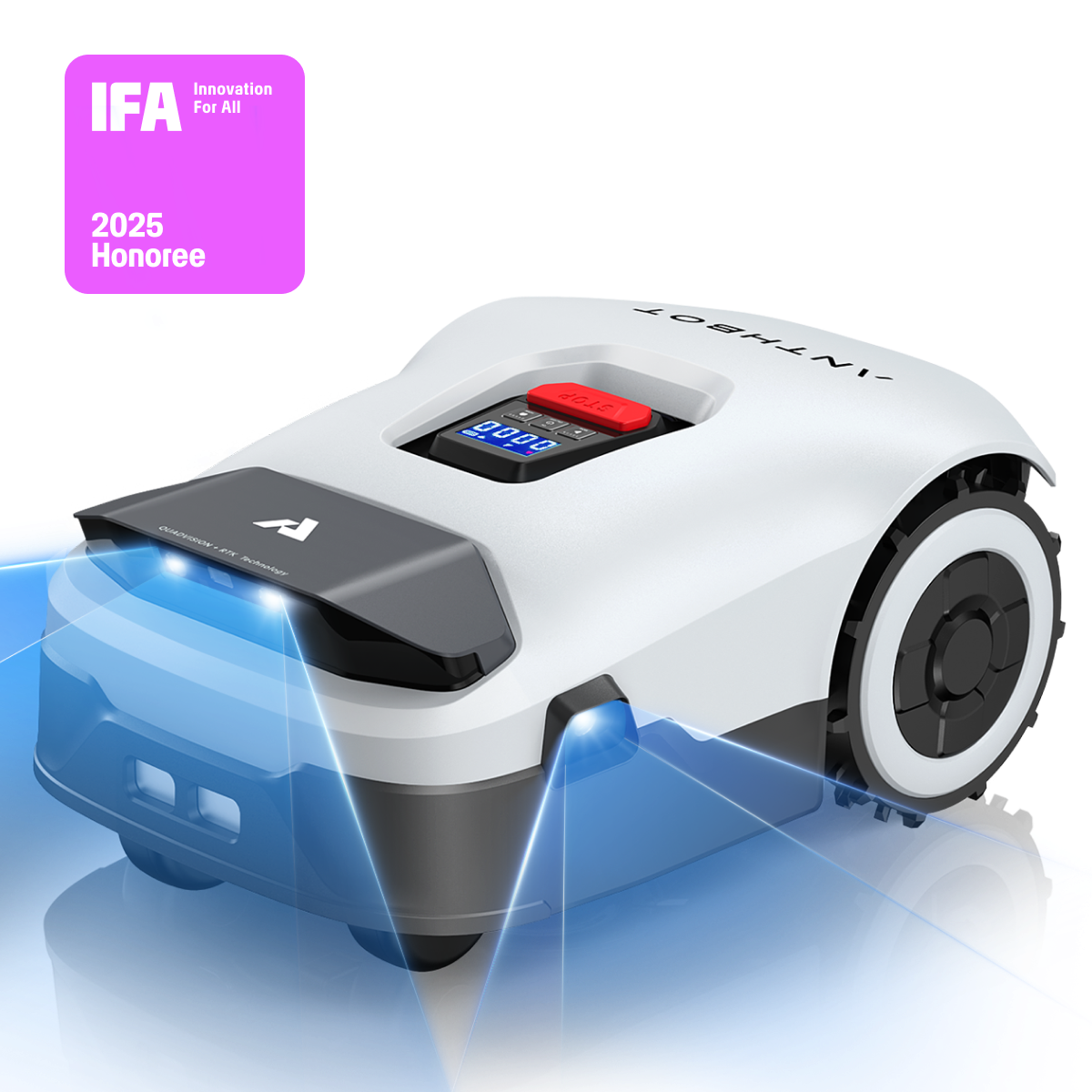
Current RTK buying option: ANTHBOT Genie
Best fit: A verified current option for this yard-fit use case.
Check current option at ANTHBOT →Affiliate disclosure: YardFit Mower may earn a commission if you buy through this link, at no extra cost to you.
Which should you shortlist?
For an open property with good positioning conditions, a well-implemented RTK system can be an excellent fit. In a tree-heavy or structurally complex yard, LiDAR or a hybrid multi-sensor system deserves closer consideration. Neither technology overrides basic requirements such as area capacity, slope capability and passage width.
See Navimow vs Mammotion for current examples and use the Yard-Fit Framework before selecting a model.